



On April 18th, Shift2DC participated in the Instituto Superior Técnico Open Day, the university’s largest annual public event, which welcomed over 3,000 visitors this year.
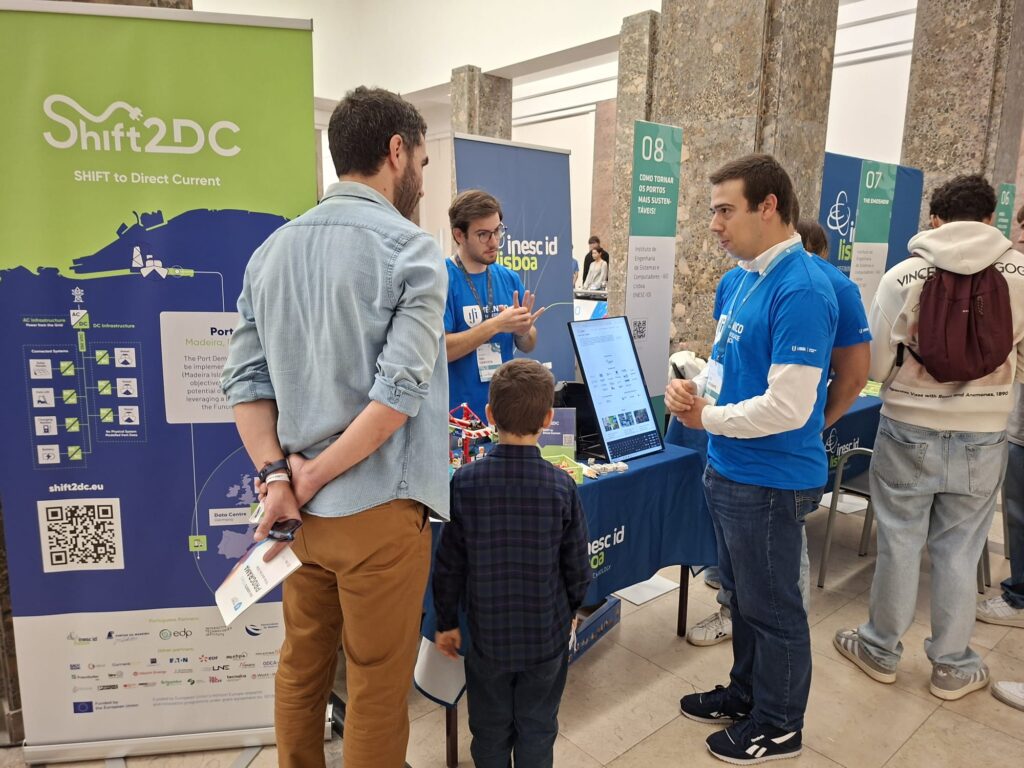
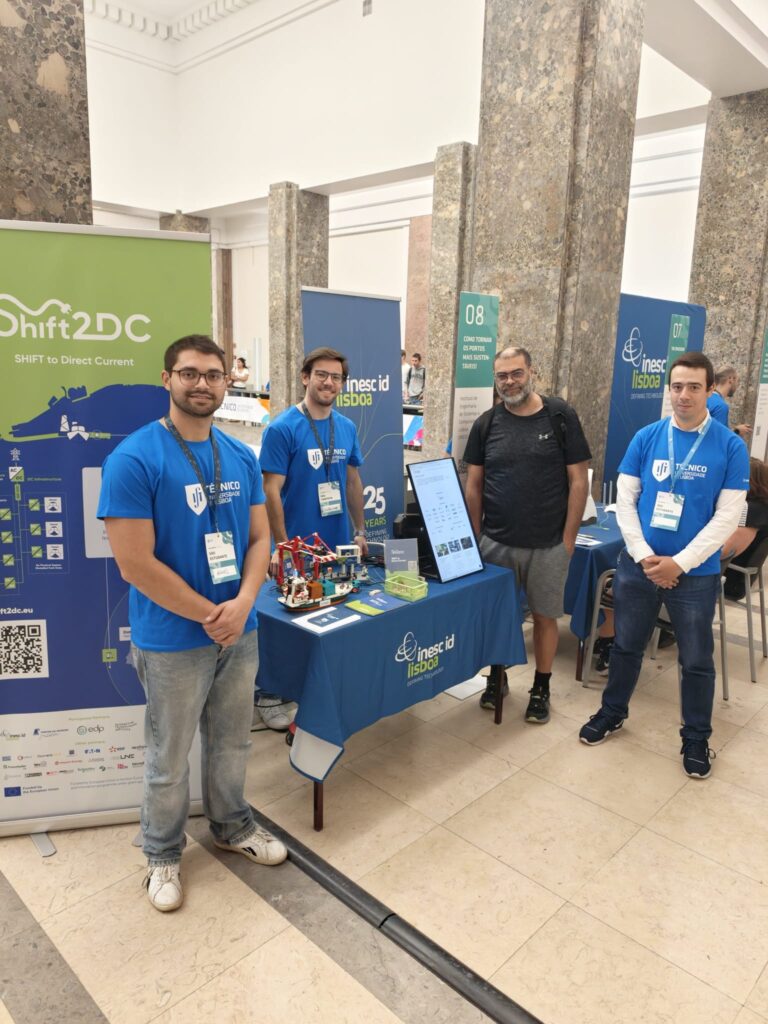
The project was featured at the INESC-ID stand to showcase the cutting-edge research being developed for the Portuguese demonstrator at the Port of Funchal in Madeira. The primary challenge for the team was translating the complex world of power systems and port infrastructure into accessible language for non-experts.
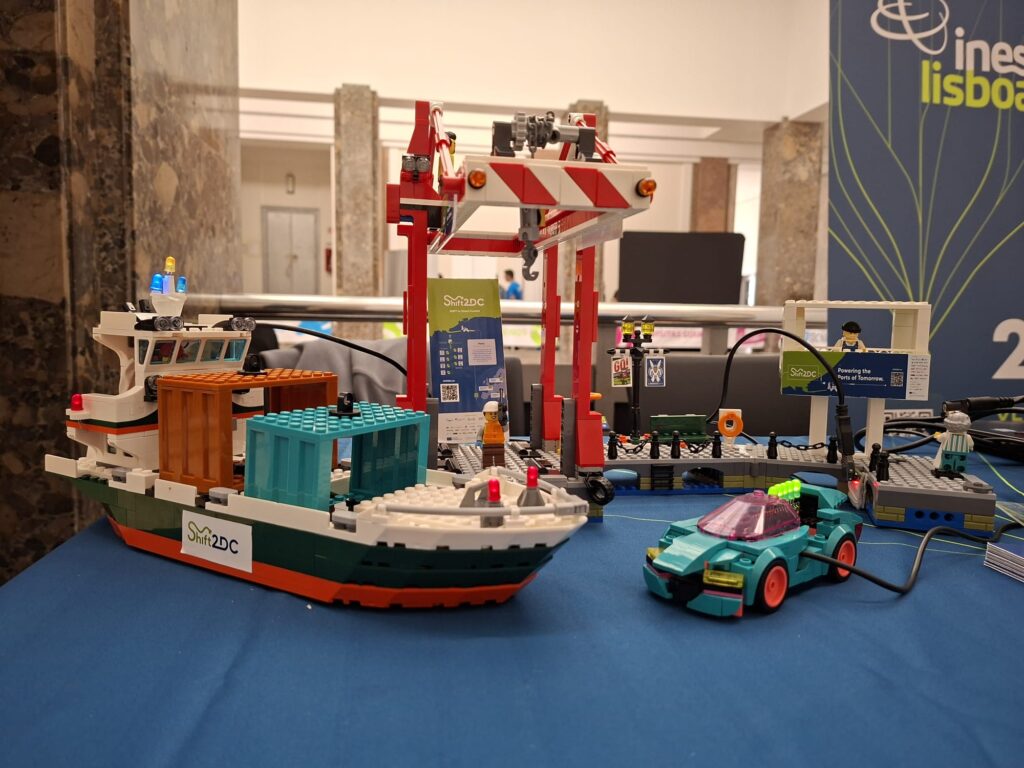
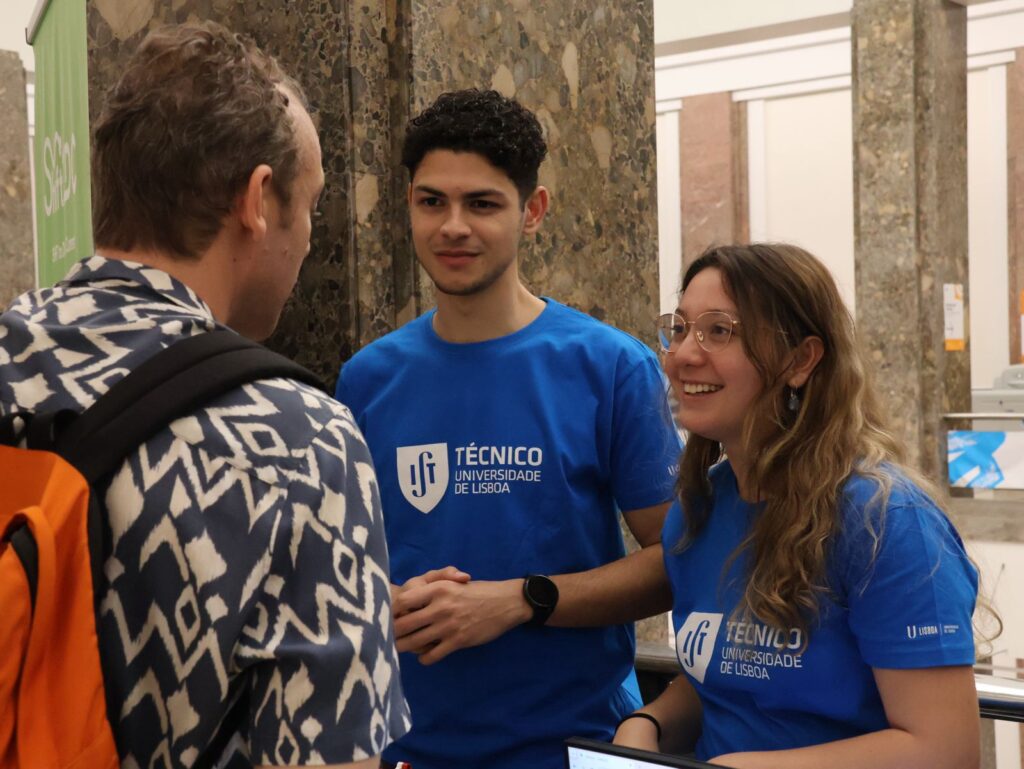
Through the interactive activity “How to make ports more sustainable?” (“Como tornar os portos mais sustentáveis?”), the Shift2DC team at INESC-ID – including Guilherme Pereira, Miguel Velo, Manuel Neto, Nicollas Nogueira, and Larissa Montefusco – presented a custom LEGO replica of the Port of Funchal. This model was used to demonstrate the real-world technologies currently being implemented on the island Port.
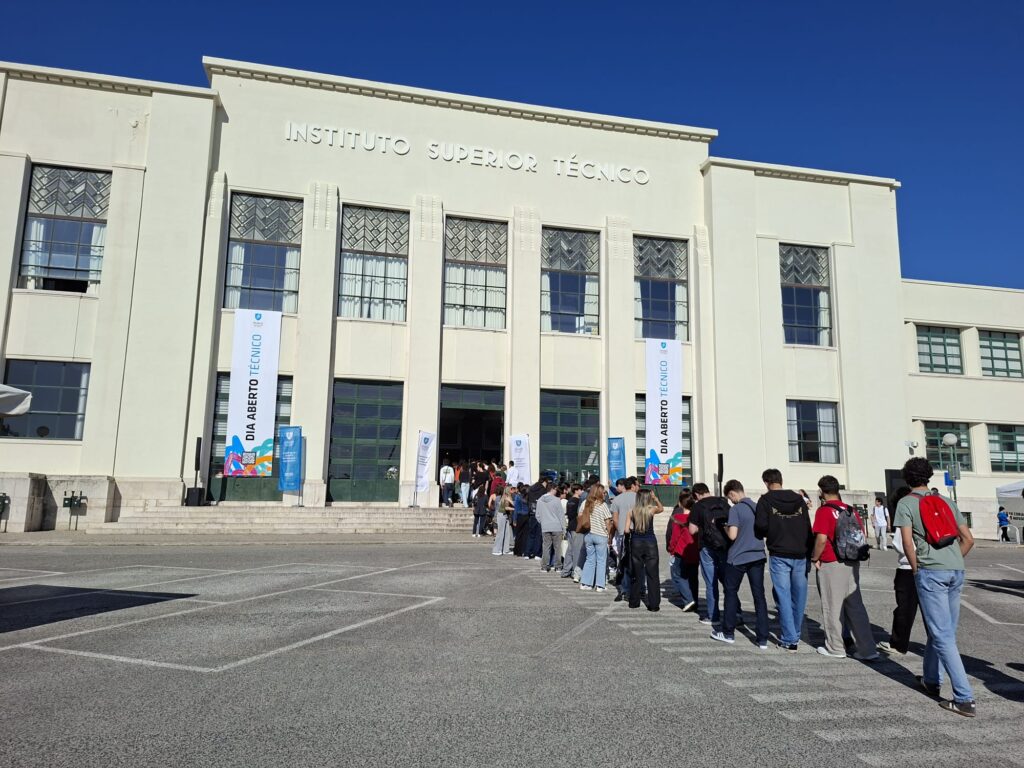
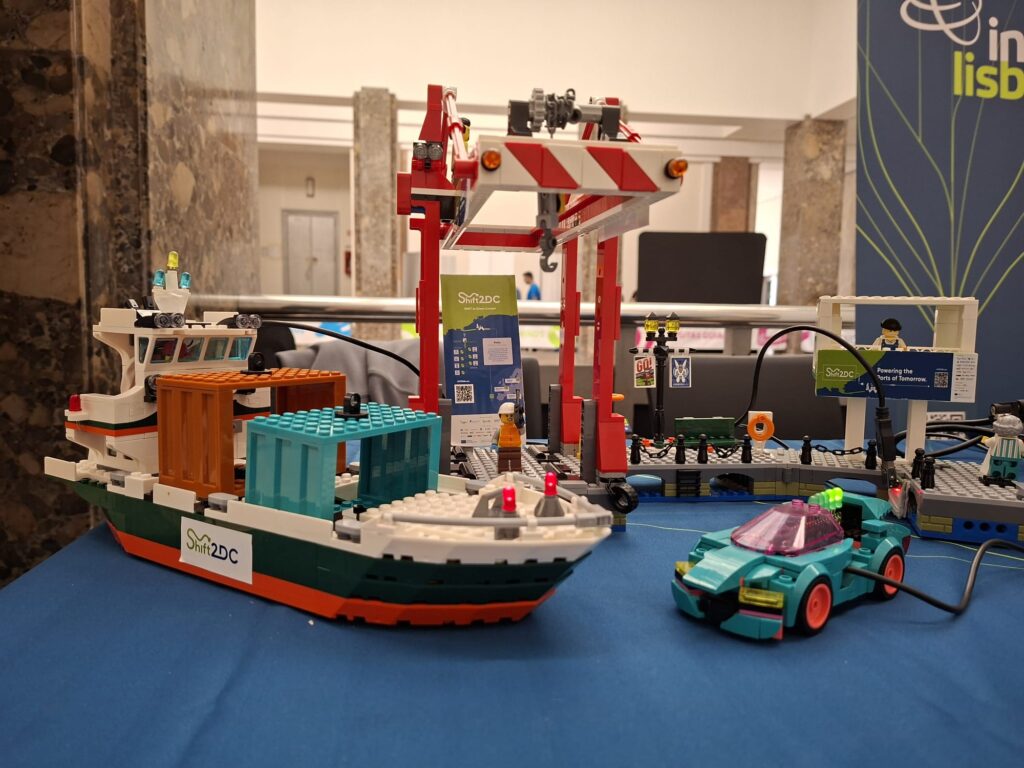
Credits: INESC ID
Visitors were invited to interact with the display, learning how the innovations being tested in Madeira today could soon become the standard for green energy across Europe. While the medium was playful, the project’s mission remains serious: addressing the need for sustainable, efficient energy solutions in maritime infrastructure.
Real-World Impact: From AC to DC
The Shift2DC real-world pilot at the Port of Funchal showcases the advantages of transitioning from Alternating Current (AC) to Direct Current (DC) distribution. Through this demonstrator, the project aims to prove that DC is more efficient and cost-effective than AC for managing renewable energy and storage.
By utilizing a Digital Twin of the Funchal Port for real-time load estimation and a physical DC microgrid – featuring solar panels and EV charging – the project is preparing the port for 2030 EU regulations. These regulations will require docked ships to switch off their combustion engines and plug into the shore-side grid (Onshore Power Supply).
The Port of Funchal is not only a popular tourist destination but also the hub of Madeira’s maritime economy, accommodating cruise terminals, ferries, and naval vessels. On peak days, it can host up to four cruise ships simultaneously, creating a massive surge in energy demand. The Shift2DC Port Demonstrator addresses this by testing DC solutions that manage high-load scenarios without disrupting the local grid, ensuring a more resilient future for maritime hubs.
With the infrastructure already installed, the project now enters a year-long validation phase to benchmark its performance against traditional AC systems.
For those who missed the live demo at Técnico Open Day, more information about the Funchal demonstrator is available on the official website: www.shift2dc.eu.
Comments are closed.