



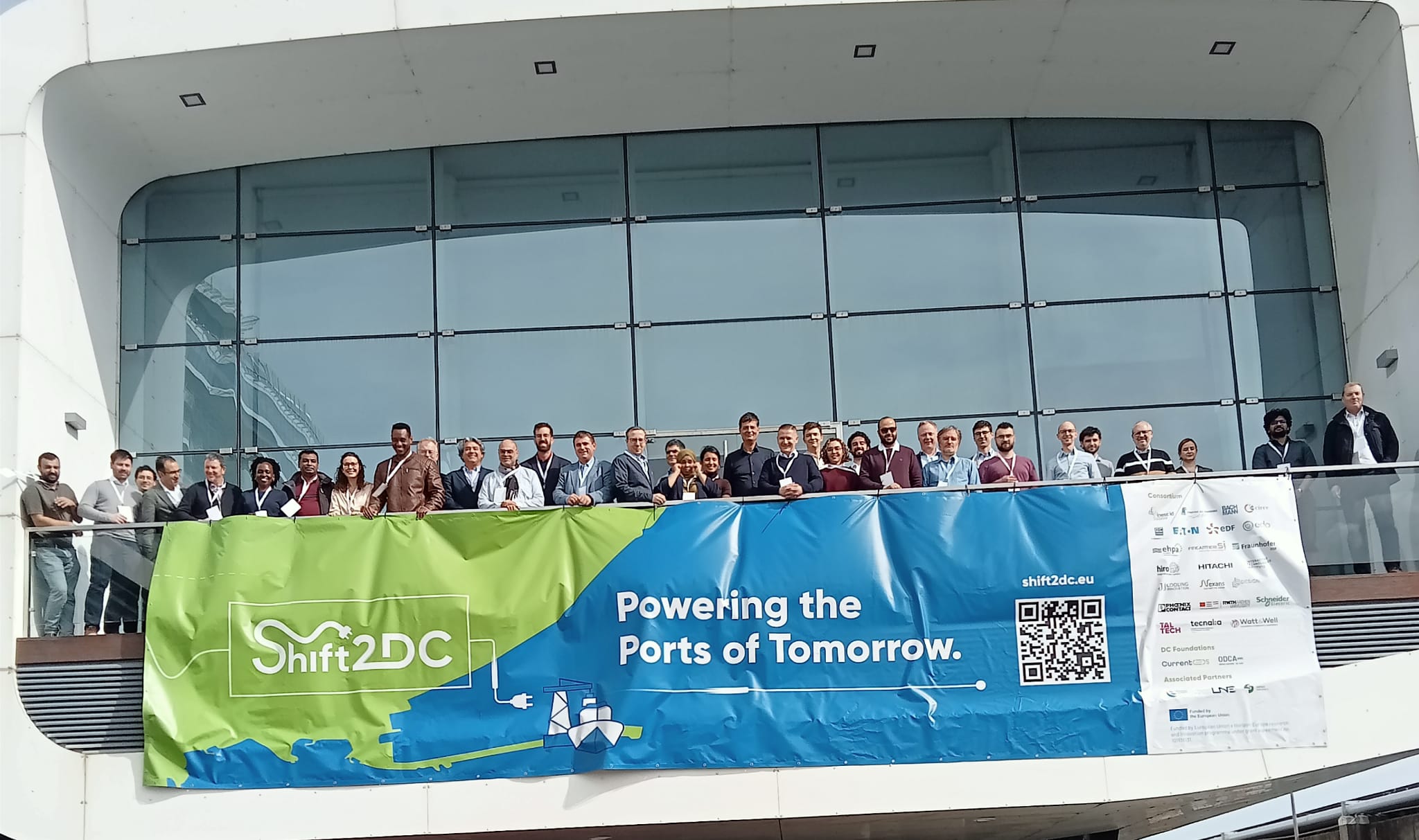
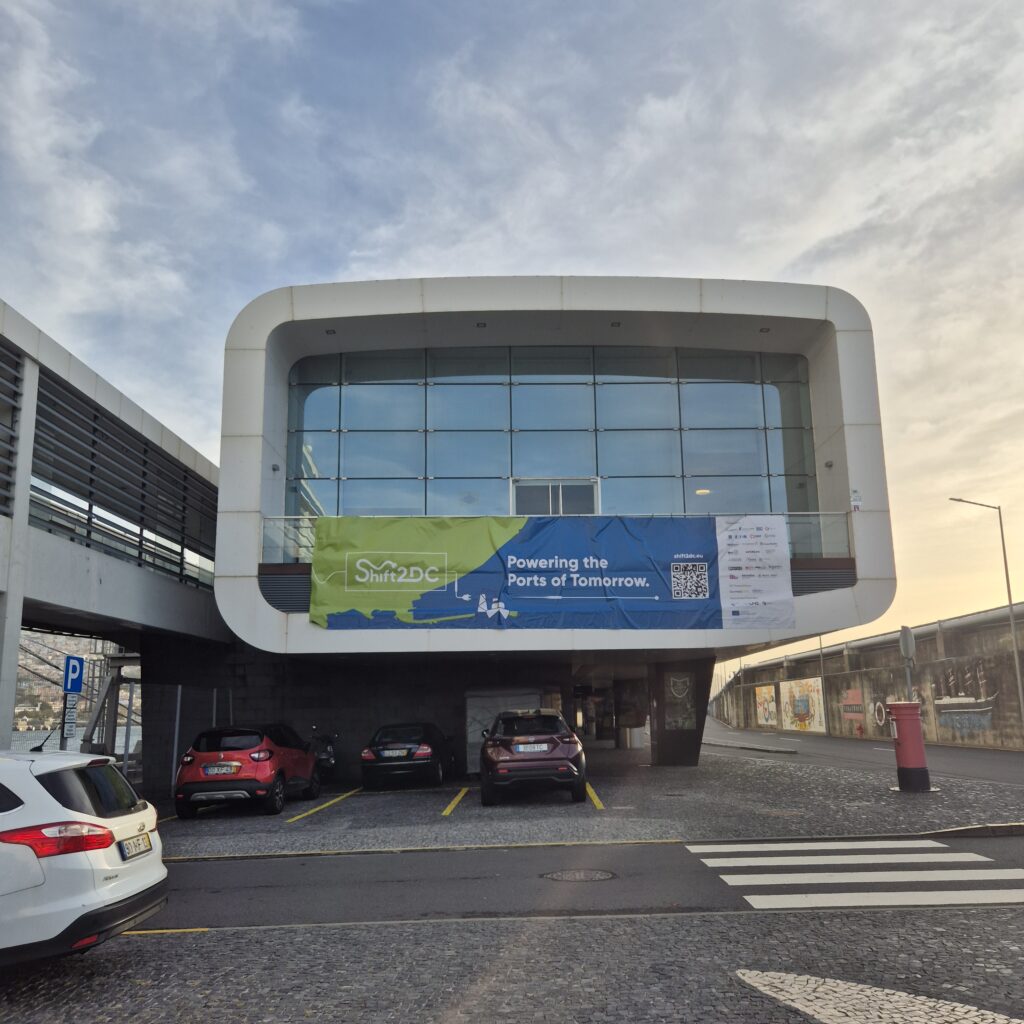
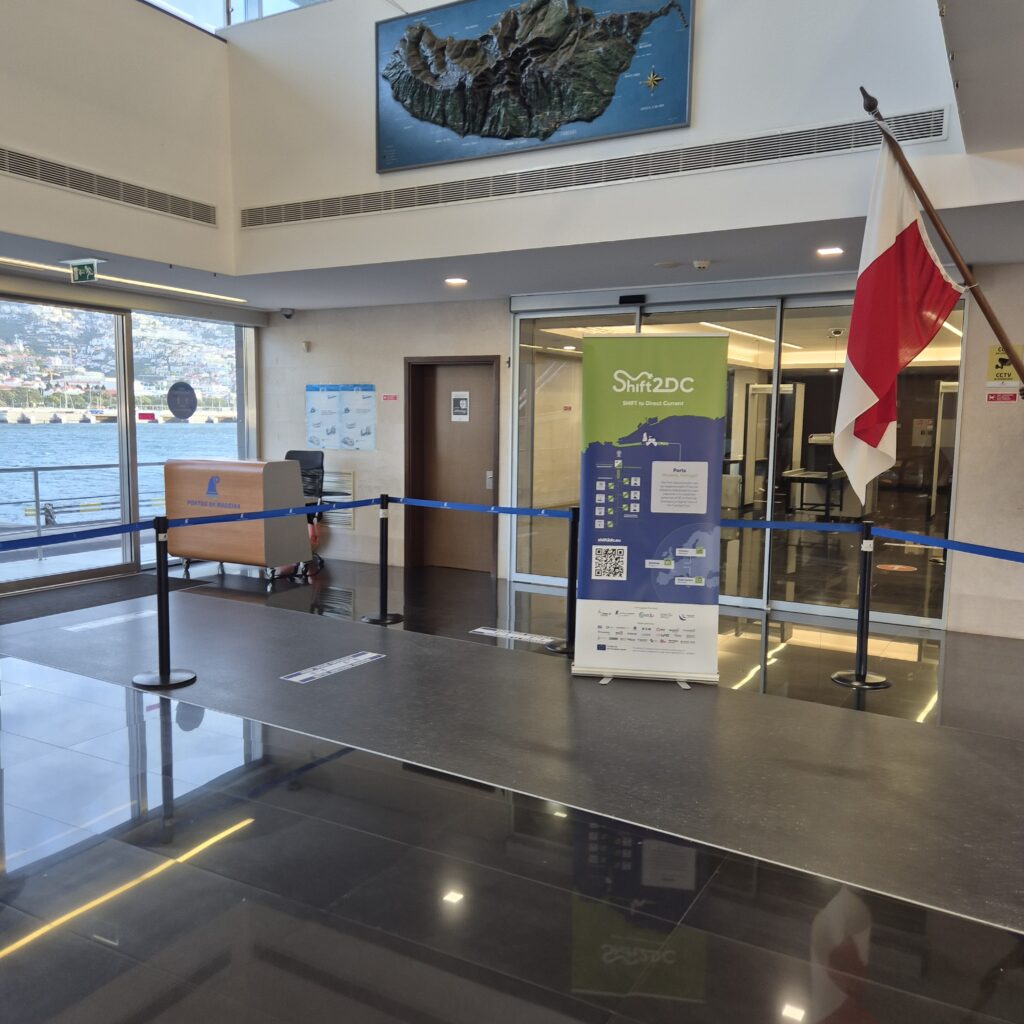
The Shift2DC Consortium arrived in Madeira via the island airport, but the spotlight of the 6th General Assembly (GA) was the Funchal Port, home to the newly launched Shift2DC Demonstrator – a major milestone for the project.
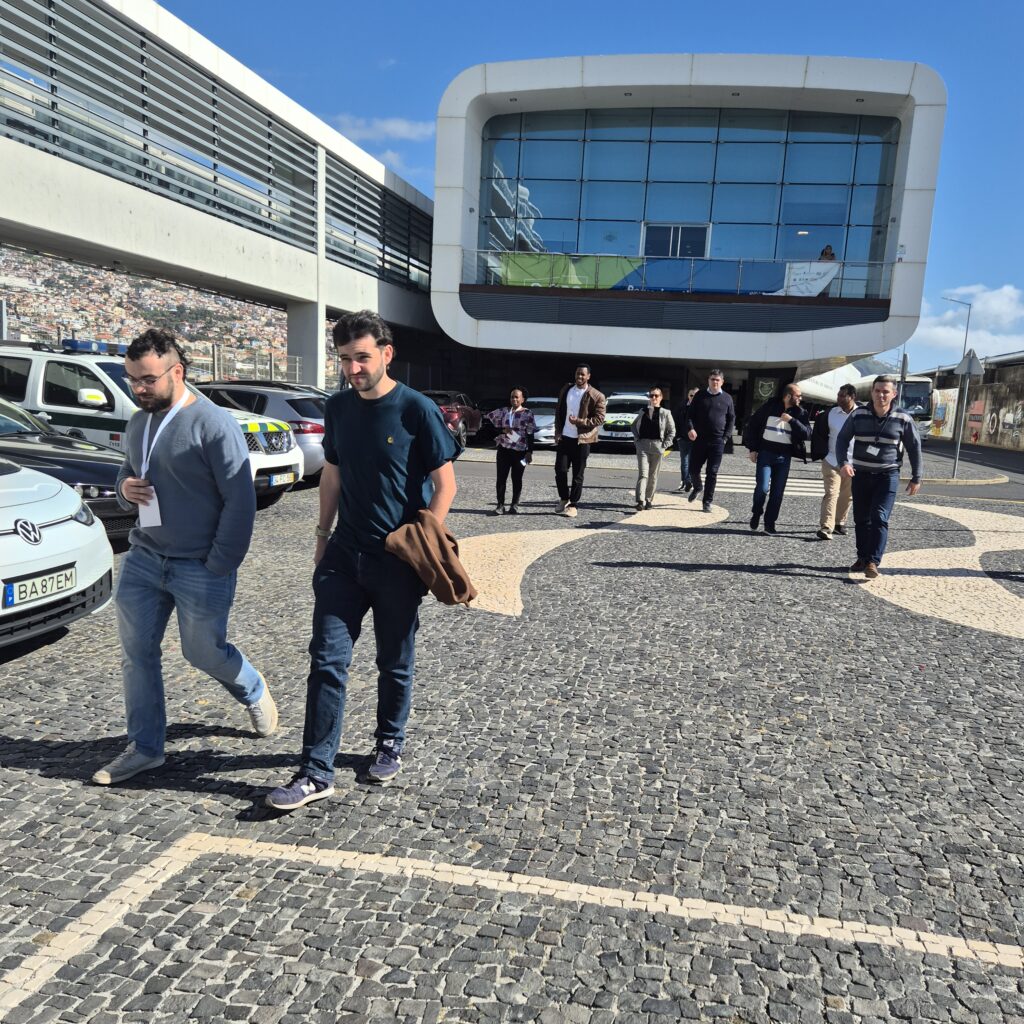
Hosted by APRAM – Portos da Madeira, the two-day meeting brought together the project consortium to reflect on half a year of progress and set the course for the project’s next months. For the first time in a Shift2DC GA, the project welcomed onsite members of the project Advisory Board – Harry STOKMAN, Holger Borcherding, and Marco Stieneker – and Piotr Dworakowski, who joined remotely.
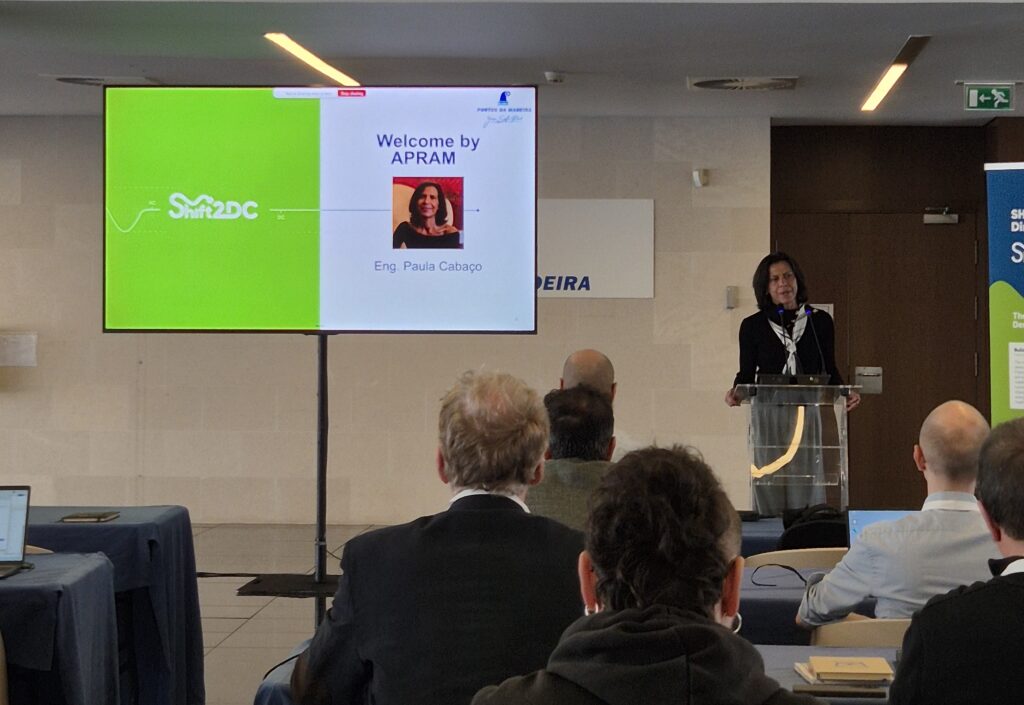
The assembly kicked off with a welcome session featuring Engenheira Paula Cabaço, President of APRAM, and Hugo Morais, the project coordinator from INESC-ID. Their opening remarks highlighted the importance of international collaboration in transforming how we manage power in critical infrastructure.
According to Paula Cabaço, the project is a strategic advantage for the region: “Shift2DC represents a strategic opportunity to modernize port infrastructure, improve energy efficiency, and position the Ports of Madeira as a reference in the energy transition, with a direct impact on competitiveness, sustainability, and service quality.”
The first part of the General Assembly focused on reviewing the project’s key results from the past six months. Partners delivered presentations across all work packages, covering a wide range of technical and strategic milestones:
- Use Cases and Integration: how to integrate DC solutions into current power grids.
- Assets and Field Tests: Evaluating the hardware components that will power the next generation of energy systems.
- Innovation Strategies: Ensuring that the project’s findings translate into real-world market solutions.
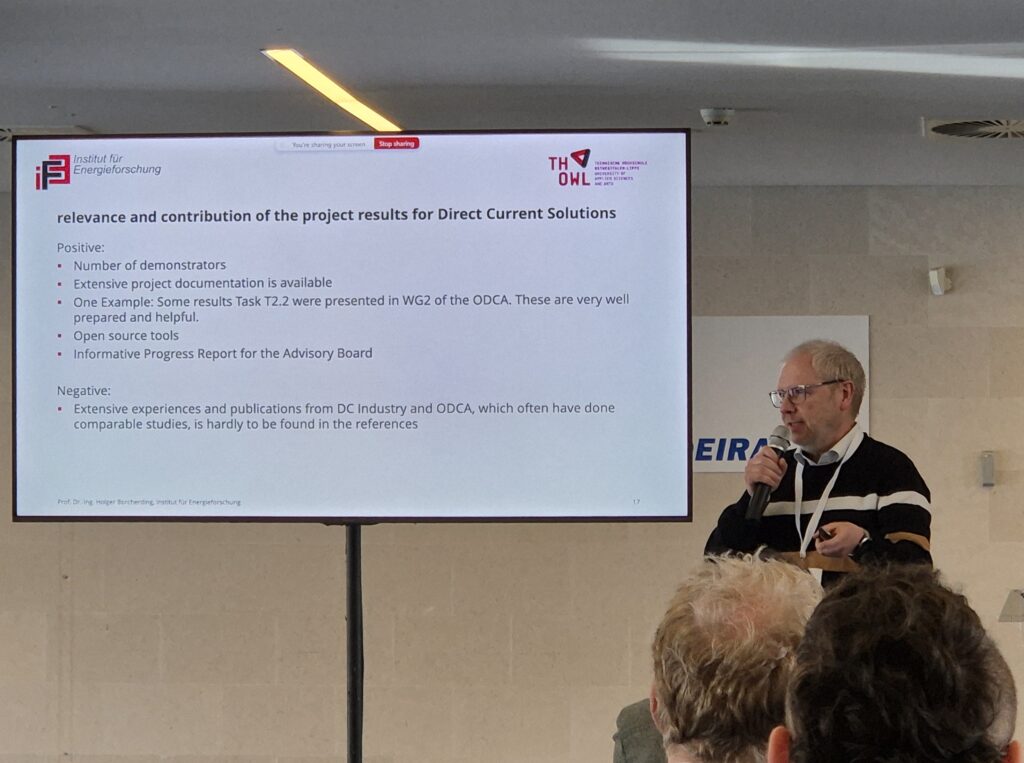
Following the round of presentations, the highlight of the first morning was the Expert Advisory Board session, with Shift2DC Board Members. This session allowed the consortium to stress-test their findings against the highest global standards and gain strategic insights into the evolving DC landscape.
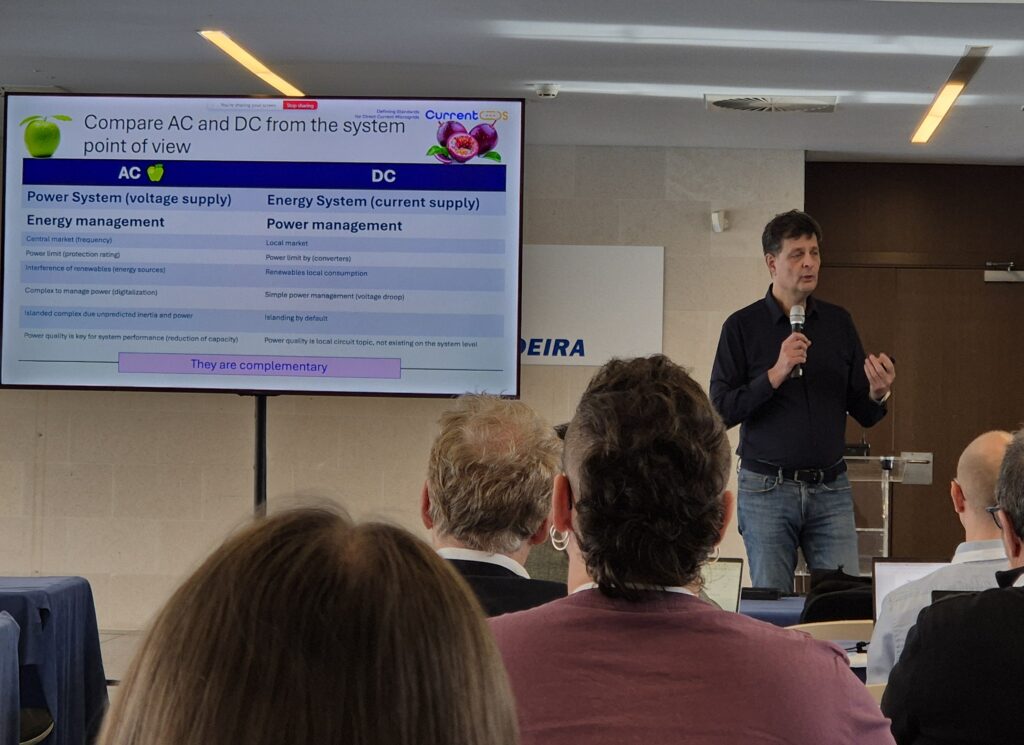
In the afternoon, the meeting shifted from theory to practice, focusing on the live demonstrators. These demos serve as practical proof of concept for Shift2DC’s mission, showcasing how DC solutions can be applied to:
- Ports: Studying the potential of DC in Ports by leveraging a Digital Twin of the Funchal Port.
- Data Centres: Improving energy efficiency in high-consumption digital hubs.
- Buildings: Restructuring renewable energy integration for residential and commercial spaces.
- Industrial Applications: Optimizing power for heavy-duty manufacturing and logistics.
These demonstrators are key to show that DC technology isn’t just about theory, but a ready-to-implement solution for reducing energy losses and enhancing grid stability.
The Port Demo: A Living Lab in the port of Funchal
On the second day, with the Shift2DC consortium gathered in Funchal, it was the perfect moment to officially launch the Port Demonstrator and learn more about the Demo latest developments.
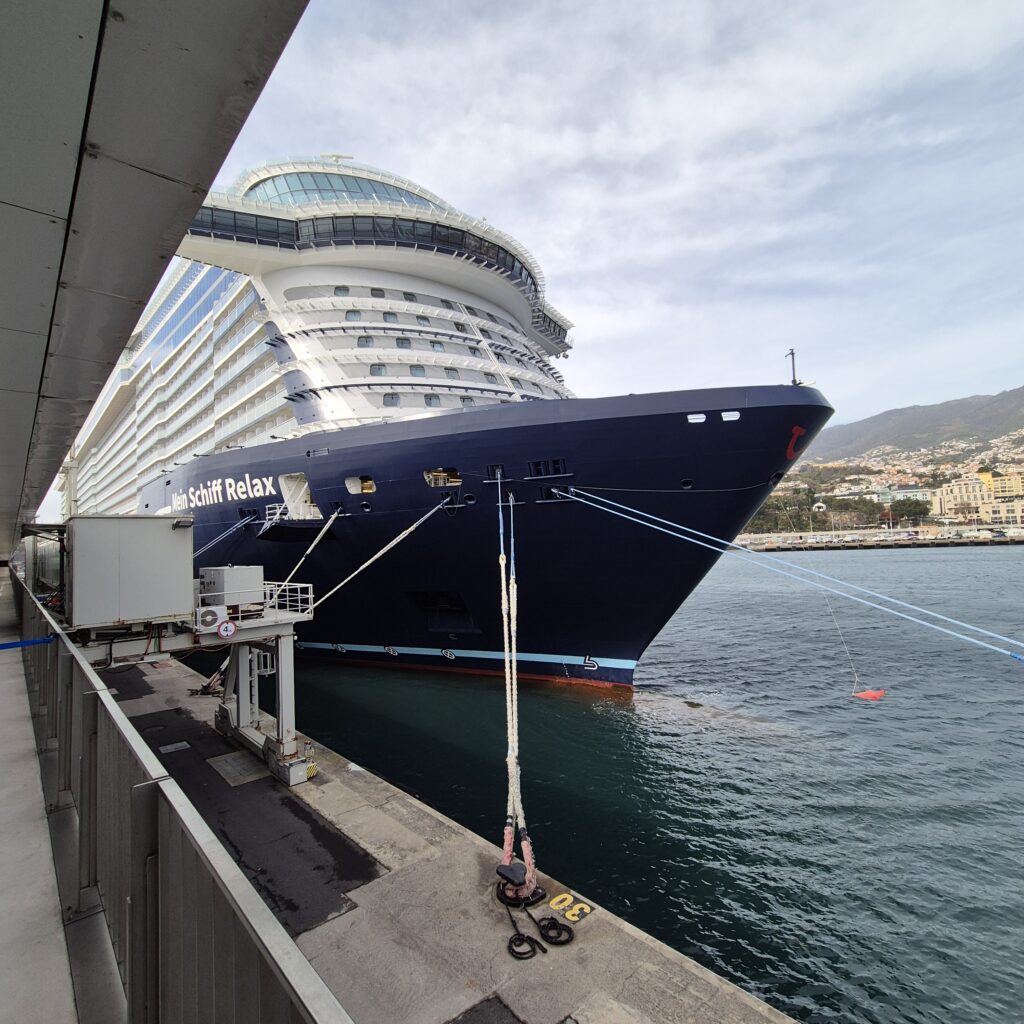
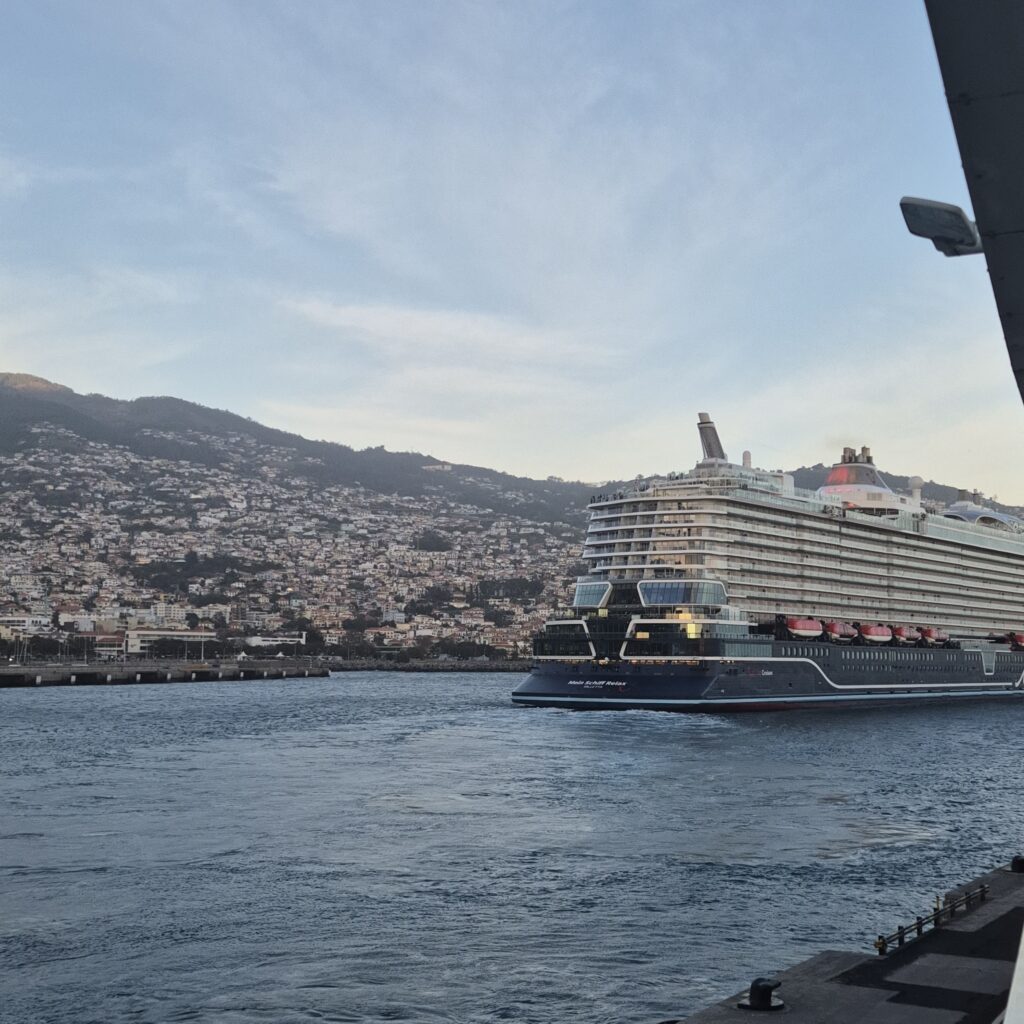
The location where the Demonstrator is installed is not only a popular stop for travellers but also the hub of Madeira’s maritime economy, accommodating cruise terminals, ferries, and naval vessels. On peak days, it can host up to four cruise ships simultaneously, creating a significant surge in energy demand.
The Shift2DC Port Demonstrator aims to address this challenge by testing DC solutions to manage high-load scenarios without disrupting the local grid.
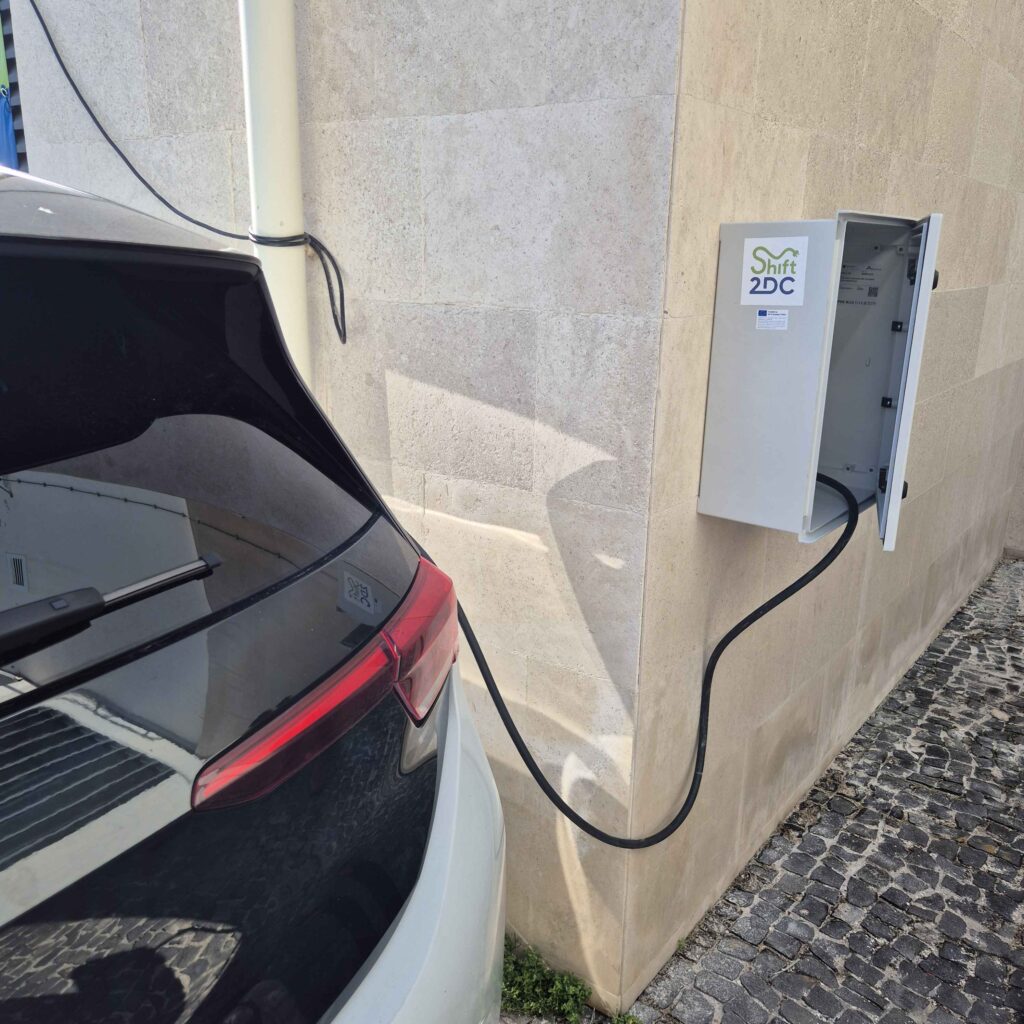
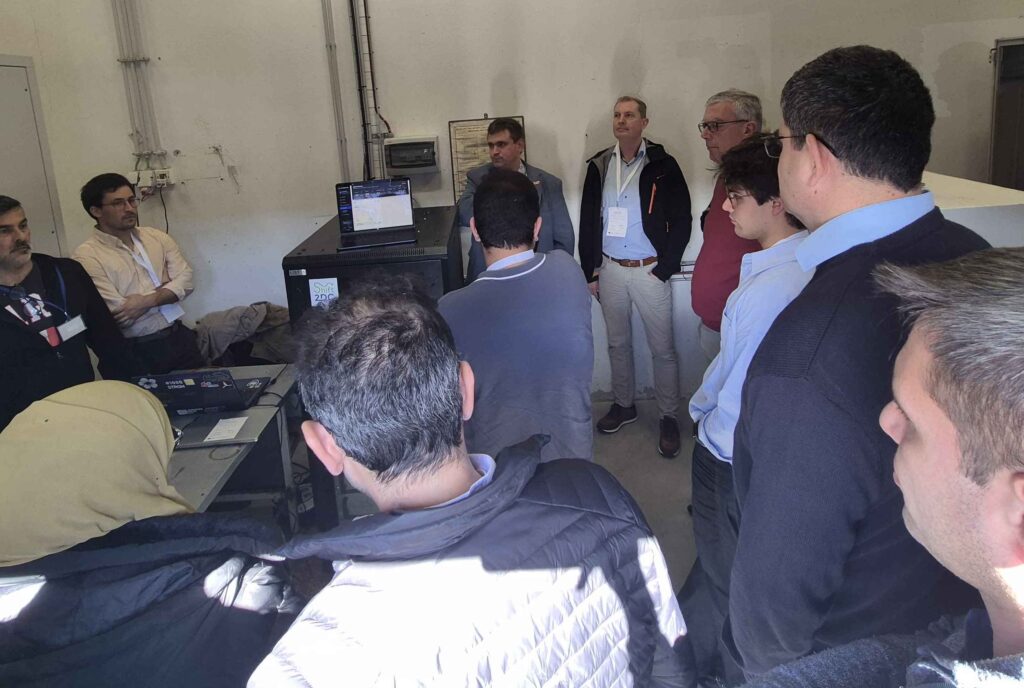
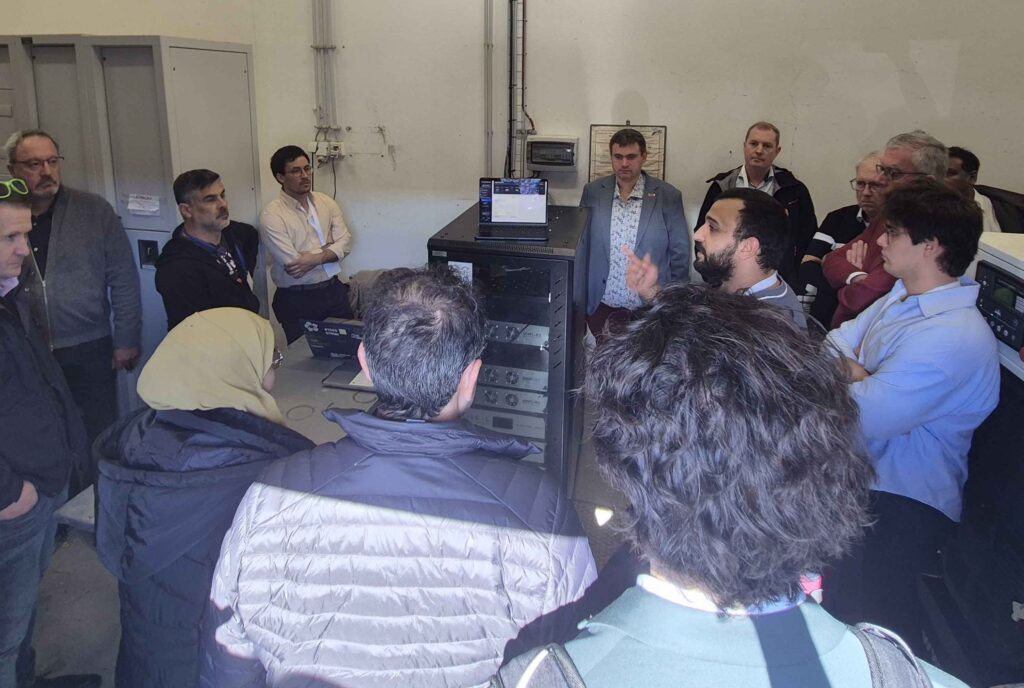
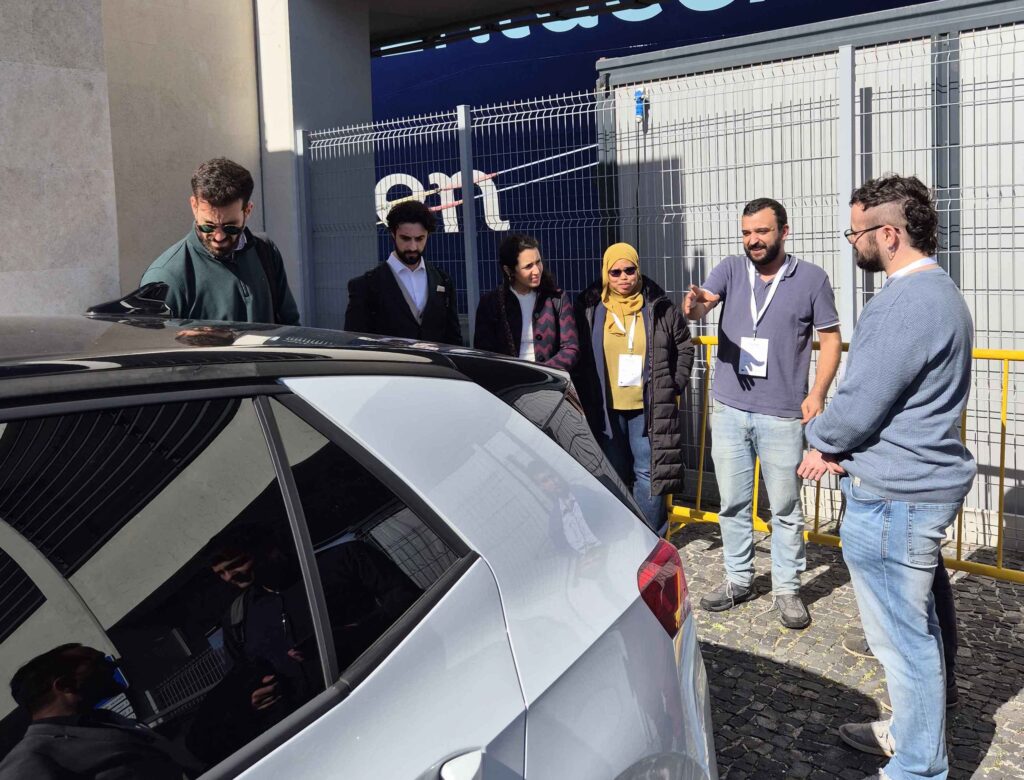
Key Features of the Port Demonstrator:
- The Digital Twin: A virtual replica of the Port of Funchal is being used to simulate real-time power flows. This allows engineers to test the integration of solar power and battery storage before physical implementation.
- Full Electrification & Shore Power: A major goal is enabling ships to plug into the port’s grid (Shore Power). This is critical for meeting International Maritime Organization (IMO) targets and slashing carbon emissions by 40% by 2030.
- User Acceptance: Funchal is leading the way in studying how human operators and port users perceive and adopt DC technology. These findings will serve as a blueprint for the project’s other three demonstrators across Europe.
Although having the port as the main focus of this visit, it was clear that the progress made at this Demonstrator will benefit the entire Shift2DC ecosystem. By modernizing these “energy hubs,” the project is shifting toward a more resilient, competitive, and sustainable DC infrastructure for the next generation.
Visit our website to learn more about our Demo sites: https://shift2dc.eu/demos/
The next General Assembly meeting will take place in Saclay, France, hosted by EDF on July 9 and 10.
News in the Media (in PT): JM Madeira, Funchal Notícias, Sapo PT, DN Notícias.
Comments are closed.